

PARAMETA CEO JH Kim on Web3 Transformation, security tokens, and where fintech goes next
The latest interview with PARAMETA CEO JH Kim, conducted with Fintech Today, is now out.
Read the article for the story behind PARAMETA, which supports easy Web3 Transformation for businesses through PARAMETA Service - a packaging of Web3's core elements such as Wallet, NFT, STO, and Token Management into services that are simple to configure and adopt. This interview goes into particular depth on the security token business PARAMETA is preparing and pursuing.
- [People of Fintech] JH Kim, CEO of PARAMETA
- Rethinking what we took for granted is where innovation begins
- Just as the philosophy of blockchain builds fair and equal services, fintech too is expected to move toward the democratization of finance
- We are working to build a model that matches that direction
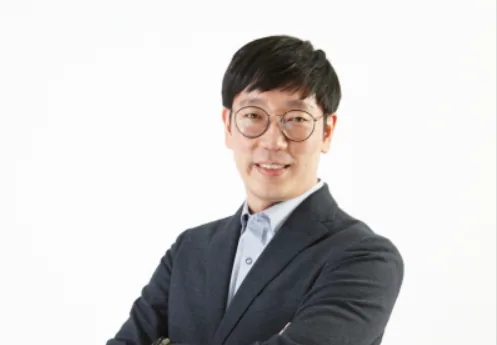
1. To start, could you introduce PARAMETA?
PARAMETA is a first-generation Korean blockchain and Web3 technology company founded in 2016. Building on a proprietary blockchain engine proven in global deployments, we have built blockchain and Web3 services and platforms for public institutions such as the Seoul Metropolitan Government and Gyeongsangbuk-do Province, financial institutions including the Korea Financial Investment Association and major banks, and private companies such as POSCO. Our results in the financial sector stand out in particular - MyID, our blockchain ID-based identity verification platform designated as an Innovative Financial Service by the Financial Services Commission, has been applied to actual real-name verification together with Shinhan Bank, NH NongHyup Bank, and others. Today we support easy Web3 Transformation for businesses through PARAMETA Service, which turns core Web3 elements such as Wallet, NFT, STO, and Token Management into services that are simple to configure and adopt, and through PARAMETA S in particular we provide the full technology stack needed to build a security token platform. More recently, we have also been having substantial discussions about bringing blockchain to AI.
2. Which parts of PARAMETA's revenue model are fintech-related?
PARAMETA's main revenue model is providing the solutions and services that support corporate Web3 transitions, and most of it is B2B or B2B2C. In particular, we run businesses directly tied to fintech on the basis of PARAMETA S, the part of PARAMETA Service - the core of our business - that supports building and operating security token platforms end to end.
3. Among your current revenue models, which do you see becoming central to PARAMETA going forward?
Both PARAMETA Framework, which builds Web3 platforms, and PARAMETA Service, which supports Web3 transitions in a SaaS model, tend to be run as joint ventures on a revenue-share basis in addition to usage fees. On top of that, we expect blockchain to be able to solve problems in the AI market, so we plan to move into that market in earnest as well.
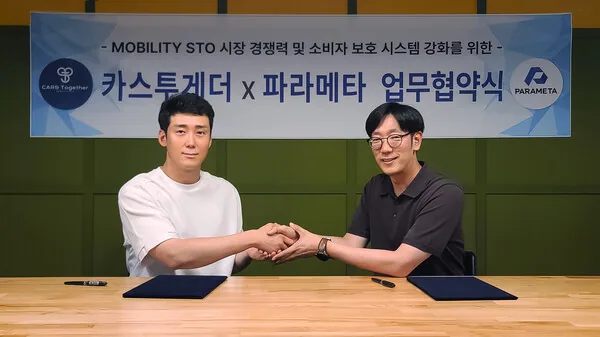
4. What corporate philosophy does PARAMETA pursue?
I see the "Consensus" and "Commit" that PARAMETA pursues as touching directly on the philosophy blockchain pursues. "Consensus" rests on the trust that comes from approaching things with the mindset that you could always be wrong: sharing the information you hold transparently, proposing opinions freely, reaching agreement according to set consensus rules, having everyone carry out what was agreed, and repeating that process continuously. PARAMETA's people make decisions and value judgments against this idea of TRUST and the five values that make it up - Teamwork, Result, Understanding, Self-discipline, and Transparency.
5. If you expand the share of fintech-related business, what will that look like?
First, we plan to launch a variety of security token services through the STO business built on PARAMETA S. We are also preparing collaborations with companies across a range of security token products - rare classic cars and supercars, shared vacation homes, carbon credits, automotive offerings such as long-term vehicle leases and used car sales, EV batteries, and more.
6. Your business has centered on blockchain. What are your plans for conventional financial services?
With security tokens and the institutionalization of virtual assets moving forward together, rather than preparing a separate conventional financial service, we plan to work so that new blockchain-based financial services can become conventional financial services - and that work is already underway.
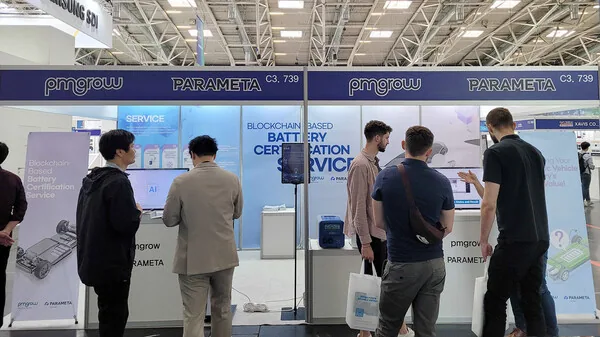
7. What future do you see for fintech?
The philosophy of blockchain is to create fair and equal services through a transparent, trustworthy system based on the consensus of every participant. I expect fintech to move the same way - away from the supplier-centered market of the past and toward a democratization of finance in which financial consumers and everyone else participate together - so we are working to build a model that matches that.
8. What advice would you give to people already working in fintech?
Nothing in the world is simply the way it is, and there is no single right answer, so rethinking what we took for granted is where innovation begins. In a regulated industry like fintech, past regulations have to be improved continuously, so I would say it matters a great deal to have a solid strategy for regulatory innovation.
Source: Fintech Today, reporter Myeongsu Lim (August 8, 2023)
Read the full interview ▼
Web3 Enabler, PARAMETA